 Reviews


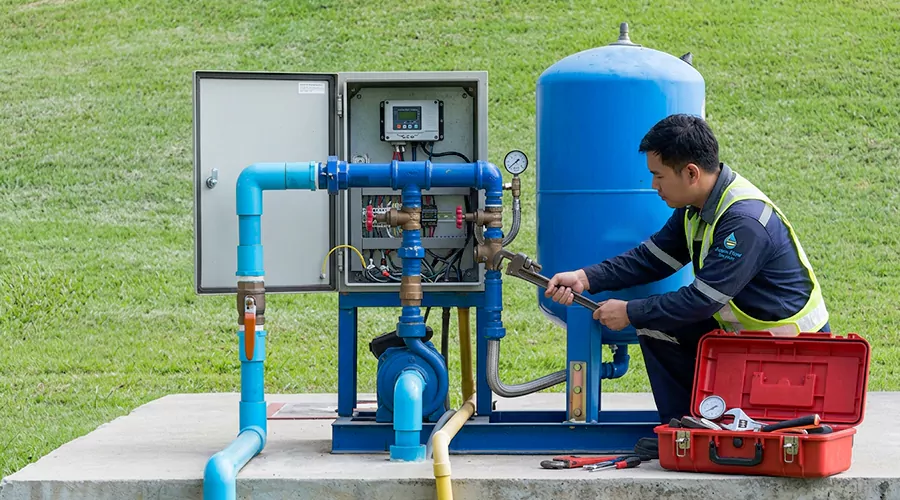
A full well pump cost with installation averages $1,899, with most homeowners spending between $975 and $2,824 in 2026. The unit alone runs $150 to $1,700 before anyone touches your well.
Two numbers decide almost everything else: how deep your well sits and which pump type it uses. Every 100 feet of depth adds roughly $500 to $1,000 to the invoice.
Timing sets the final multiplier. Most pumps fail on a weekend with no water in the house, and that panic pricing costs real money you can avoid by knowing the numbers now.
Well Pump Prices by Type
Well pump prices split by type before anything else. A shallow jet pump costs $230 to $1,000 while a solar model reaches $6,500. The table below shows 2026 unit pricing without labor. Match your well depth to the right row first.
| Pump type | 2026 unit price | Best for |
|---|---|---|
| Hand pump | $150 to $1,500 | Shallow wells and outage backup |
| Shallow jet pump | $230 to $1,000 | Wells under 25 feet |
| Deep well jet pump | $440 to $1,200 | Wells up to 150 feet |
| Submersible pump | $275 to $1,550 | Deep residential wells |
| Constant pressure pump | $2,000 to $5,000 | Steady pressure for larger homes |
| Solar pump | $1,800 to $6,500 | Off-grid properties |
Within each row, water well pump cost climbs with horsepower and material quality. A stainless steel submersible costs more than a shallow jet pump that moves one gallon per minute. Unit-only math also misleads. The pump for a well cost tells you little because pipe and wire ride along on every job. For that reason a new well pump cost estimate should itemize those materials rather than quoting the unit alone.
Insider tip: upgrading a dying jet pump to a submersible often beats a like-for-like swap. Submersibles are self-priming, build pressure about 30% faster and run quieter.
What Replacement Actually Includes?
Well pump replacement cost averages $1,500 to $2,827 nationally in 2026, with the full range spanning $160 for a manual pump to over $5,000 for a deep constant-pressure system. The invoice covers a system rebuild rather than one part.
- Here's why: When a submersible comes out of the well, the wire, pipe and fittings beside it are usually due for replacement too. The well water pump replacement cost therefore includes pulling the whole assembly from the casing. New drop pipe adds $1 to $3 per foot of depth on top of the pump itself.
- Reuse tempts on paper and fails in practice: The price of well pump replacement rises modestly with new pipe and wire, yet a contractor who reuses 15-year-old drop pipe is setting up a second failure and a second extraction bill.
Insider tip: insist the quote spells out whether pipe, wire and a new check valve are included. Low headline bids re-add them as surprise line items once the pump is out.
How Depth and Location Move the Price?
Depth is the single biggest cost multiplier. A 100-foot well costs roughly half what a 400-foot well costs for the same pump. Geography stacks on top of that. Together these two factors explain why identical pumps produce invoices $2,000 apart.
- The physics is simple. A pump at 100 feet can be pulled by hand, while a pump at 400 feet needs a mechanized hoist rig and hundreds of feet of wire. That equipment gap drives the cost to replace pump in well systems more than brand or horsepower ever will.
- Region finishes the math: The cost to replace water well pump setups runs 15 to 30 percent above the national average in the Northeast and on the West Coast, while the rural Southeast runs 5 to 15 percent below.
Installation Cost Factors Beyond the Pump
Well pump installation cost breaks into the unit plus three variable line items. Labor runs $250 to $1,000 depending on complexity, at typical rates of $45 to $150 per hour. Wiring and pipework fill out the rest of the invoice.
- Electrical work surprises the most people: New wiring or electrical repairs raise the total, and an electrician quotes that portion separately. Pipework follows the same pattern, since switching from a jet pump to a submersible usually means adding or replacing pipe. All told, water pump installation cost stays predictable only when the wiring and plumbing are already sound.
- Timing is the lever you control: The water pump installation price jumps 25 to 50 percent for emergency weekend service.
Insider tip: if your pressure tank is over ten years old, replace it during the same visit. The system is already disassembled, so bundled parts add cost while bundled labor barely does.
Submersible Well Pump Replacement Cost
Submersible well pump replacement cost runs $1,000 to $2,500 installed for typical residential depths. These are the most common pumps in modern wells because they push water instead of pulling it. Depth scales the price fast beyond that baseline.
- Unit pricing stays reasonable: Submersible well pump cost for the unit alone runs $300 to $1,500 depending on horsepower. Deep wells change the equation, since the cost to replace a submersible well pump in a 400-foot well can reach $4,000 to $6,000.
- Labor earns its share here: Even a 100-foot pull can exceed 200 pounds once you add the pump, wire and a pipe full of water. That hazard explains the cost of submersible well pump replacement better than any parts list, because a dropped assembly turns a routine job into an expensive fishing operation or a dead well.
Repair or Replace: The 50% Rule
Well pump repair cost averages $300 to $600 depending on the part, pump access and local labor. Repair wins for surface components. Replacement wins for old motors. One rule settles nearly every borderline case in your favor.
Use the 50% rule: if the repair exceeds half the price of a new pump and the pump is past 10 to 12 years old, replace it.
| Repair | 2026 installed cost |
|---|---|
| Pressure switch | $150 to $300 |
| Control box | $200 to $400 |
| Pressure tank | $300 to $800 |
| Electrical fixes overall | $150 to $500 |
Surface parts justify themselves. The well water pump repair cost stays lowest for electrical components, and pressure switches, capacitors and control boxes account for about 30% of all service calls. By contrast, bolting a new motor onto a 12-year-old worn pump end often fails again quickly.
Signs Your Pump Is Failing
Eight symptoms show up before most pumps die completely. Check them against your system today. One match means schedule a diagnostic. Several matches mean start collecting replacement quotes now, while you still have water and negotiating room.
- Sputtering faucets or air bubbles in the water lines.
- A pump cycling on and off with no water running.
- Electric bills climbing from a motor drawing excess power.
- Pressure that drops noticeably during showers.
- Cloudy or dirty water appearing suddenly.
- A pump that runs constantly without shutting off.
- Clicking from the pressure switch every few seconds.
- A system past the 10 to 15 year typical pump lifespan.
DIY Checks Before You Spend Anything
Three checks cost nothing and solve a surprising share of "dead pump" calls. Each one is safe from the surface. Run all three before booking a service visit because the diagnosis fee alone runs $75 to $200 in most markets.
- Reset the breaker: Sometimes the well circuit has simply tripped.
- Tap the pressure switch gently: Stuck contacts are common and corrosion or debris can block contact between the electrical components.
- Write down the symptoms: Detailed notes make the professional diagnosis faster and cheaper.
Insider tip: the pressure switch part itself costs $20 to $50. Confident DIYers with the power off can swap one in twenty minutes.
When to Call a Professional?
Call a pro the moment the fix requires opening the well. Pulling and rewiring a submersible pump combines a 200-pound load with 240 volts in standing water, which makes it a licensed-pro job with no safe shortcut. Surface electrical checks are your limit.
- The diagnostic visit earns its fee: A thorough diagnostic tests the pump's amp draw, measures the tank pre-charge, checks switch settings and inspects the visible electrical parts. Skipped steps lead to replacing parts that were never the problem.
- Ask one question when booking: many companies credit the diagnostic fee toward the repair if you hire them for the work.
How to Keep the Next Bill Small?
Prevention costs a fraction of a panic replacement. A well inspection runs $250 to $550 and catches problems while repairs are still cheap. Four habits protect the pump and your negotiating position at the same time.
- Inspect annually: Amp draw trends reveal a tiring motor a year before failure.
- Fix small parts fast: A failed $250 switch left alone forces the motor to run continuously and burn itself out.
- Bundle related repairs: Replacing the switch, gauge and tank tee during a tank job saves $175 to $300 versus separate visits.
- Schedule on weekdays: After-hours calls carry a $100 to $300 surcharge you never need to pay with early warning.
Conclusion
Depth and pump type set the well pump cost long before any contractor arrives. Surface parts deserve repair while old motors deserve replacement, and the 50% rule splits the difference cleanly. A licensed well pro handles anything below the well cap. This week, find your well's depth on the drilling report and file it where you can grab it fast.